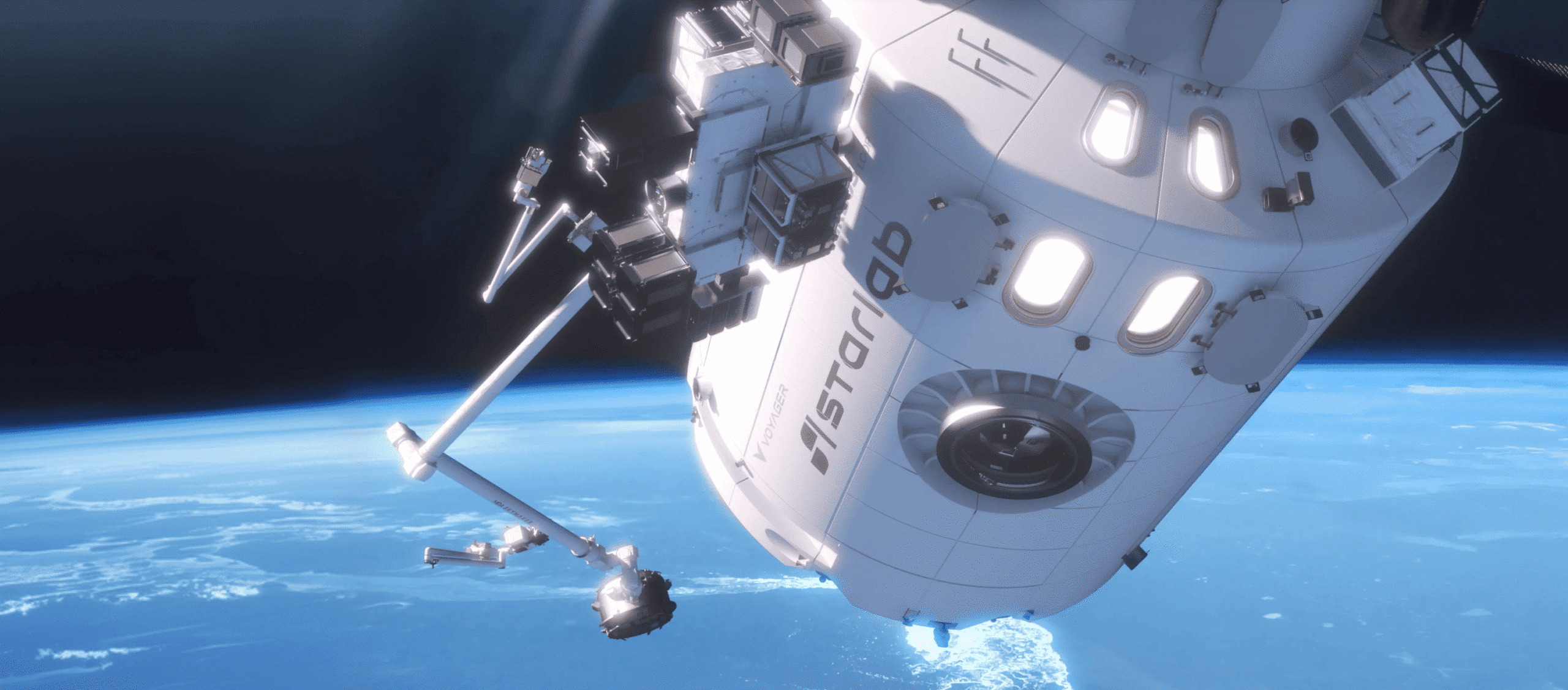










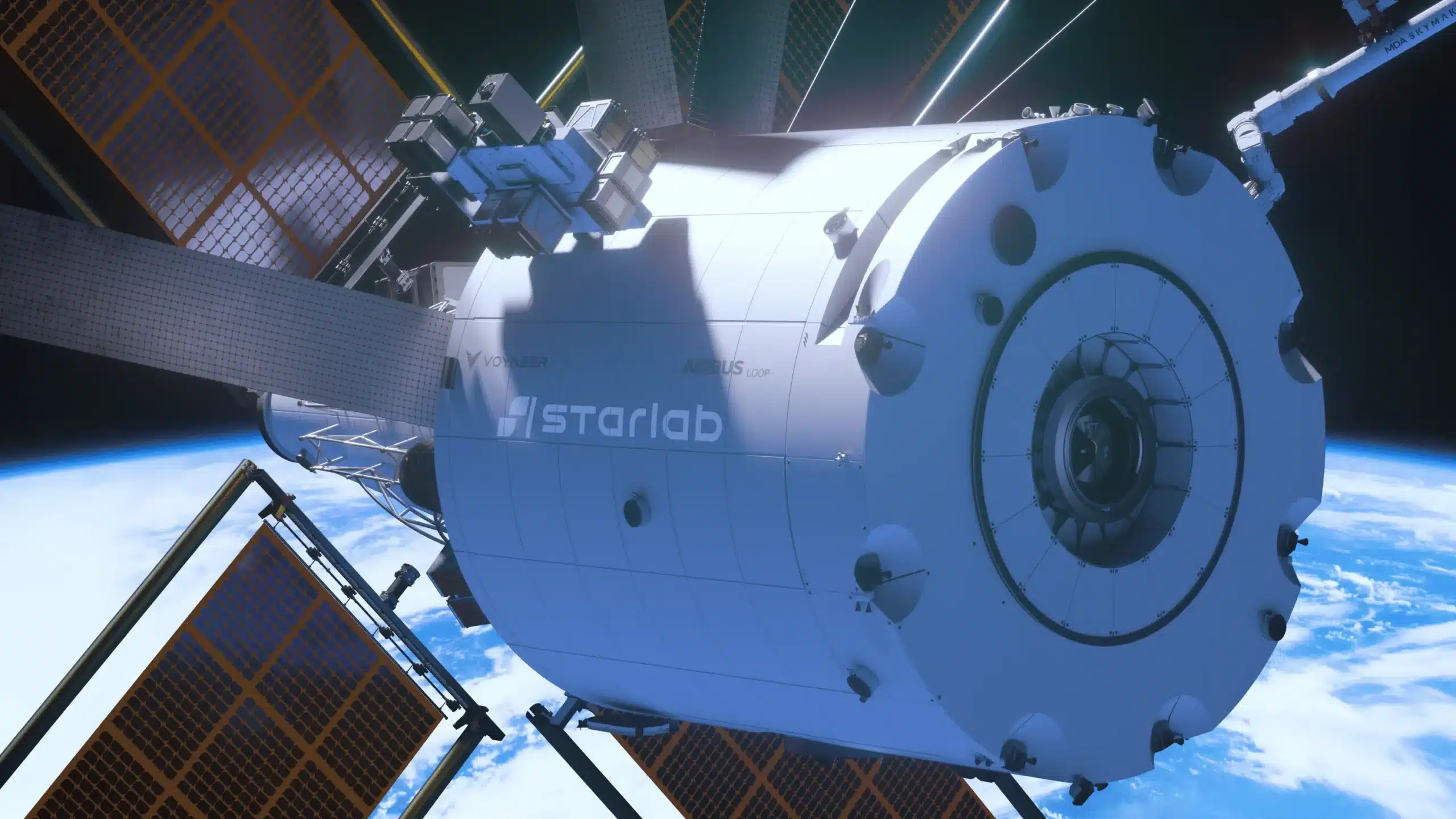
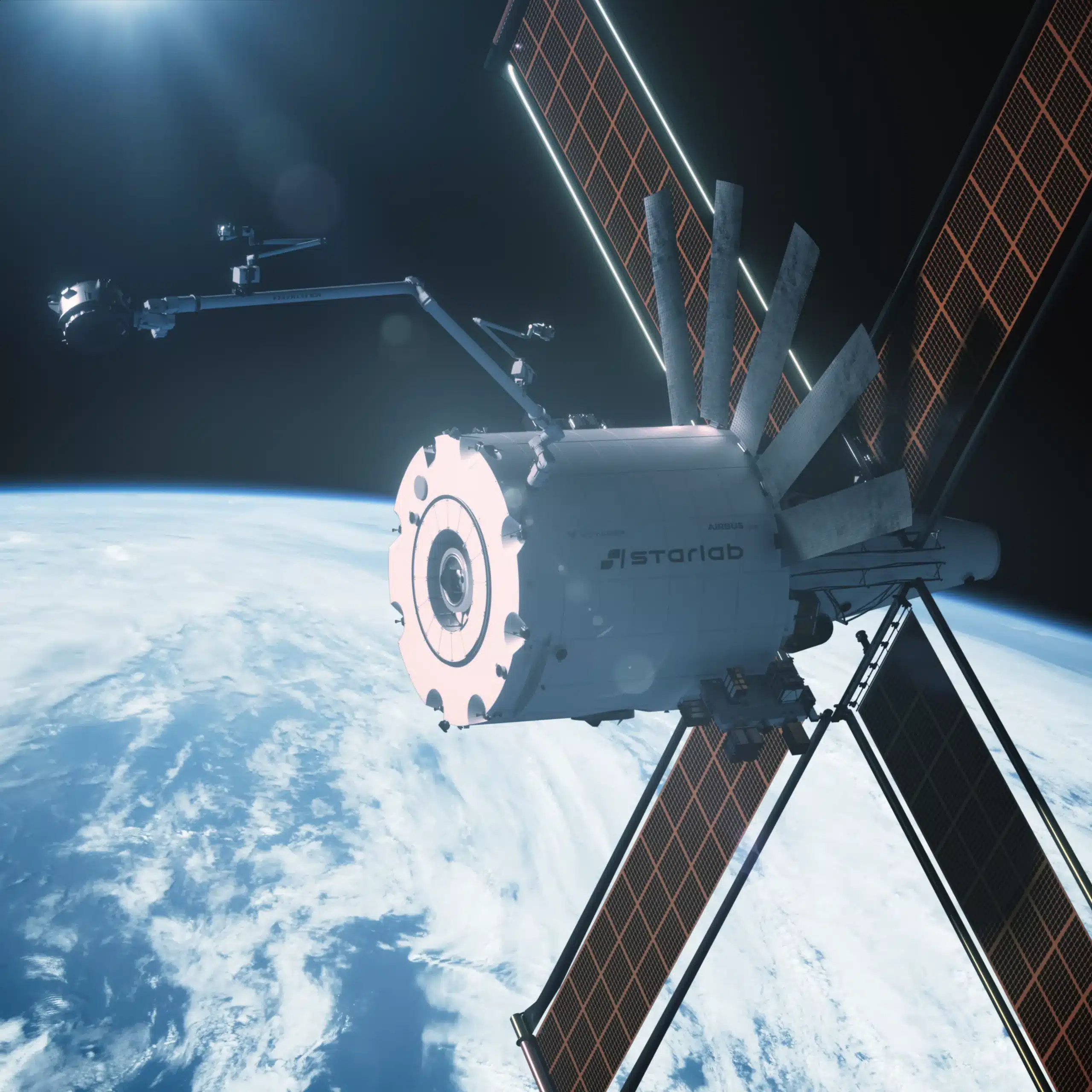
Starlab Space is a U.S.-led, global joint venture and network of partners that is ensuring a continued human presence in LEO and a seamless transition of microgravity research from the ISS into the new commercial space station era.












Starlab
Team
Leadership Team








Our Global
Network
Voyager was the first company to own & operate private hardware and sell services on ISS. With customers from 35+ nations conducting microgravity research, we’re ready to support the global demand for Starlab.
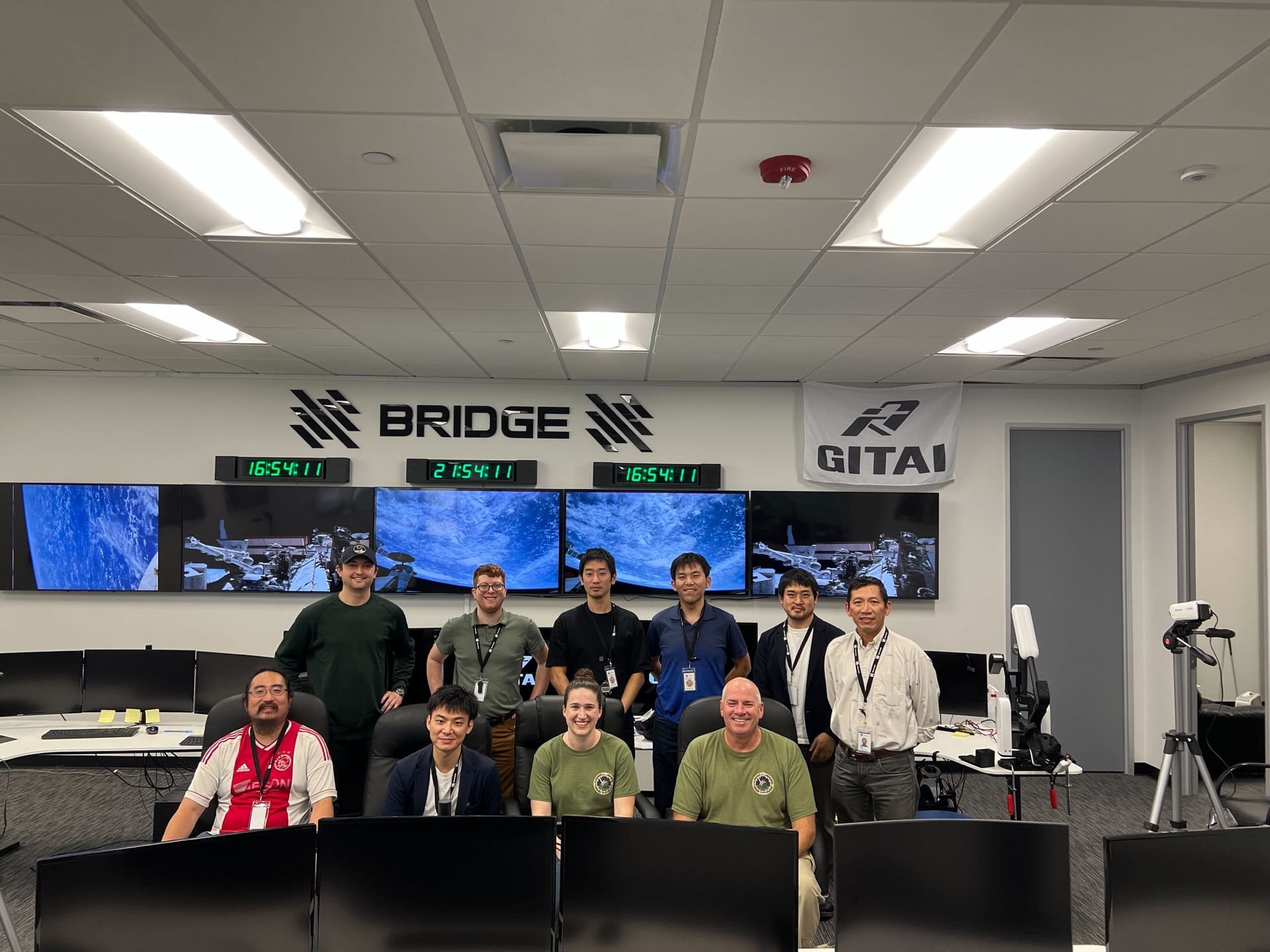
Voyager owns and operates its own commercial mission operations center that is directly connected to the ISS and crew on board. Over 1,000 ISS customer missions operated to date. Next step, Starlab operations.
Voyager designed, built, and now operates the Bishop Airlock on the ISS, the first and only commercial Airlock on orbit. Our team knows how to move equipment, payloads, and more between space stations & the vacuum of space.
Voyager provides end-to-end mission planning & integration, payload design & development, safety management, command procedures, launch booking, remote command and monitoring, crew training, on-orbit operations, and more. 1,000 missions and counting – we’re ready for Starlab.
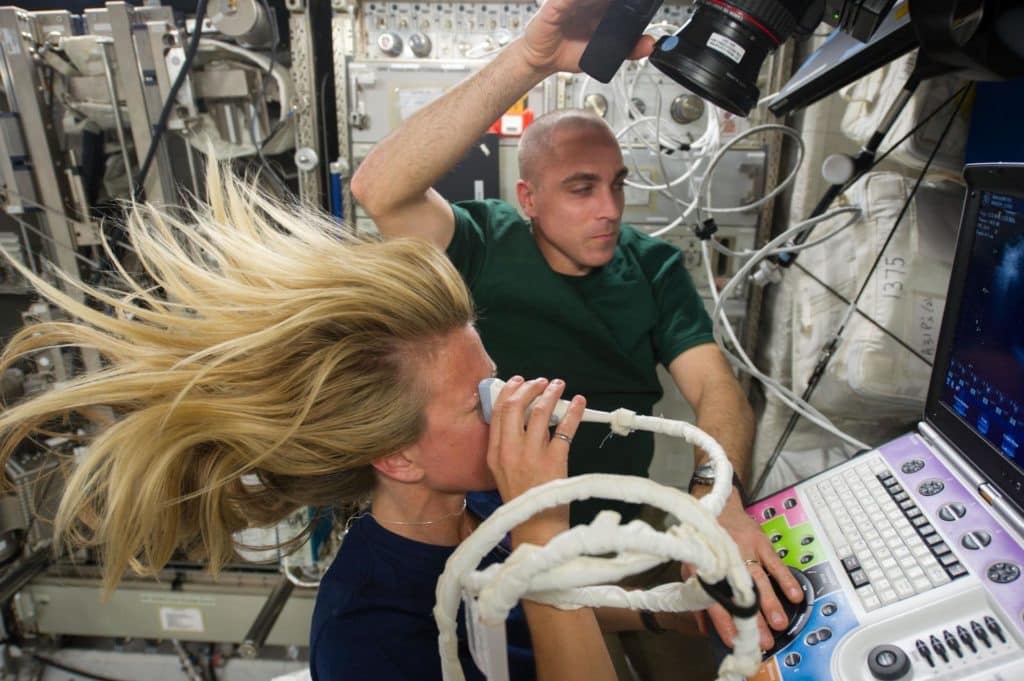
Voyager provides remote IV water purification and emergency room capabilities to the ISS through remote monitoring. We will work every day to ensure the safety and health of our crew on Starlab.
As the manufacturer of the 7-meter Columbus module, the European science laboratory on the ISS, Airbus knows how to build for space. Airbus is building Starlab’s habitat at an impressive nearly 8-meter length and diameter.
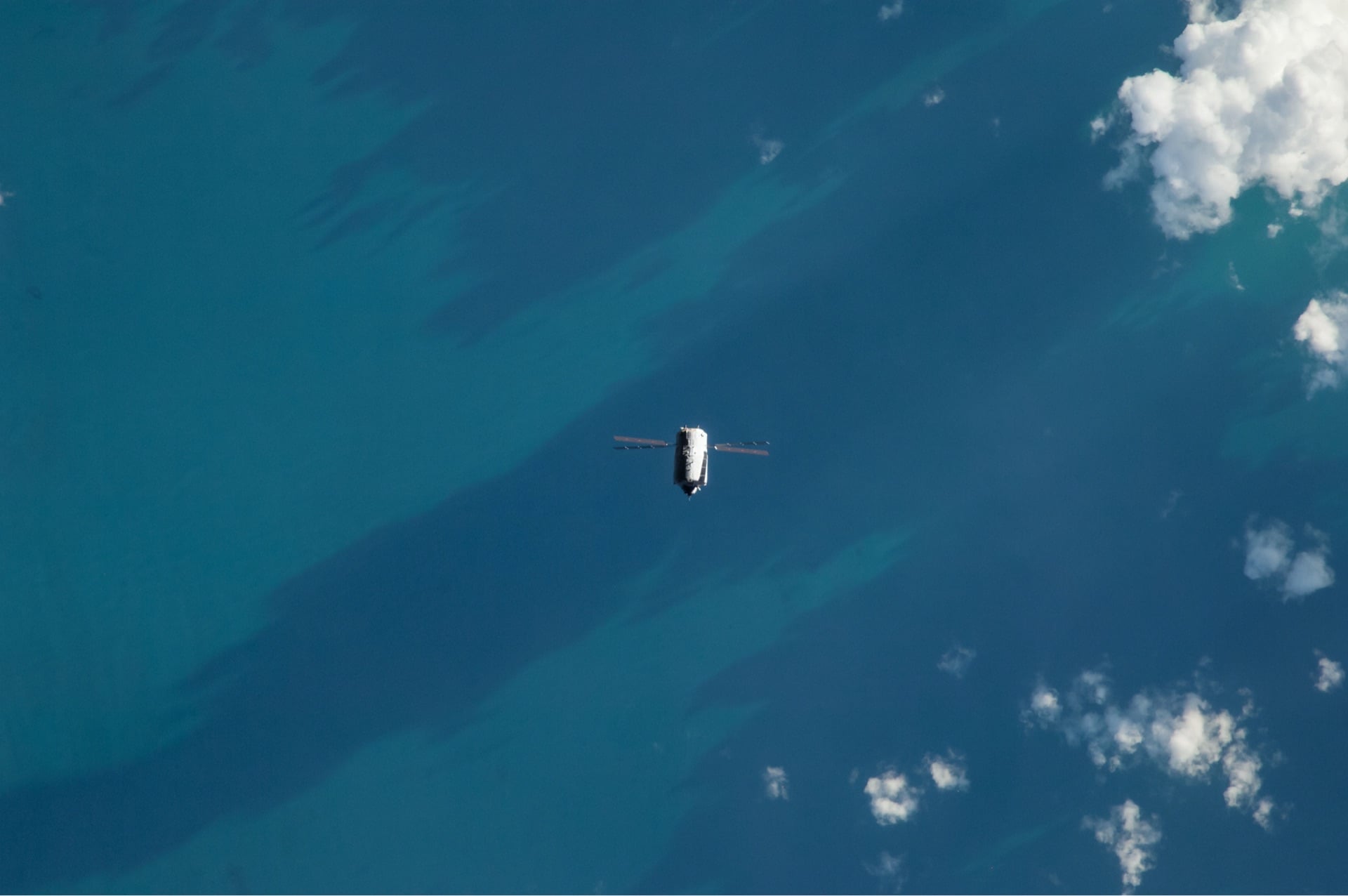
Europe’s automated cargo vehicle – the first to dock fully automatically to the ISS – flew five cargo missions to the station. It was developed and manufactured by Airbus. Starlab will be able to support several cargo vehicles from US and international partners.
Airbus’ payload hosting platform, mounted on the European Columbus module on the ISS. All-in-one mission services for institutional and commercial users. Several payload hosting locations will be available on Starlab.
Manufactured by Airbus, the Orion European Service Module (ESM) delivers propulsion, navigation, thermal control and life support systems for NASA’s Artemis missions – the first time ever that a mission-critical element for a NASA human spaceflight mission was procured outside the United States. These elements will be equally critical for an astronaut’s life on Starlab.
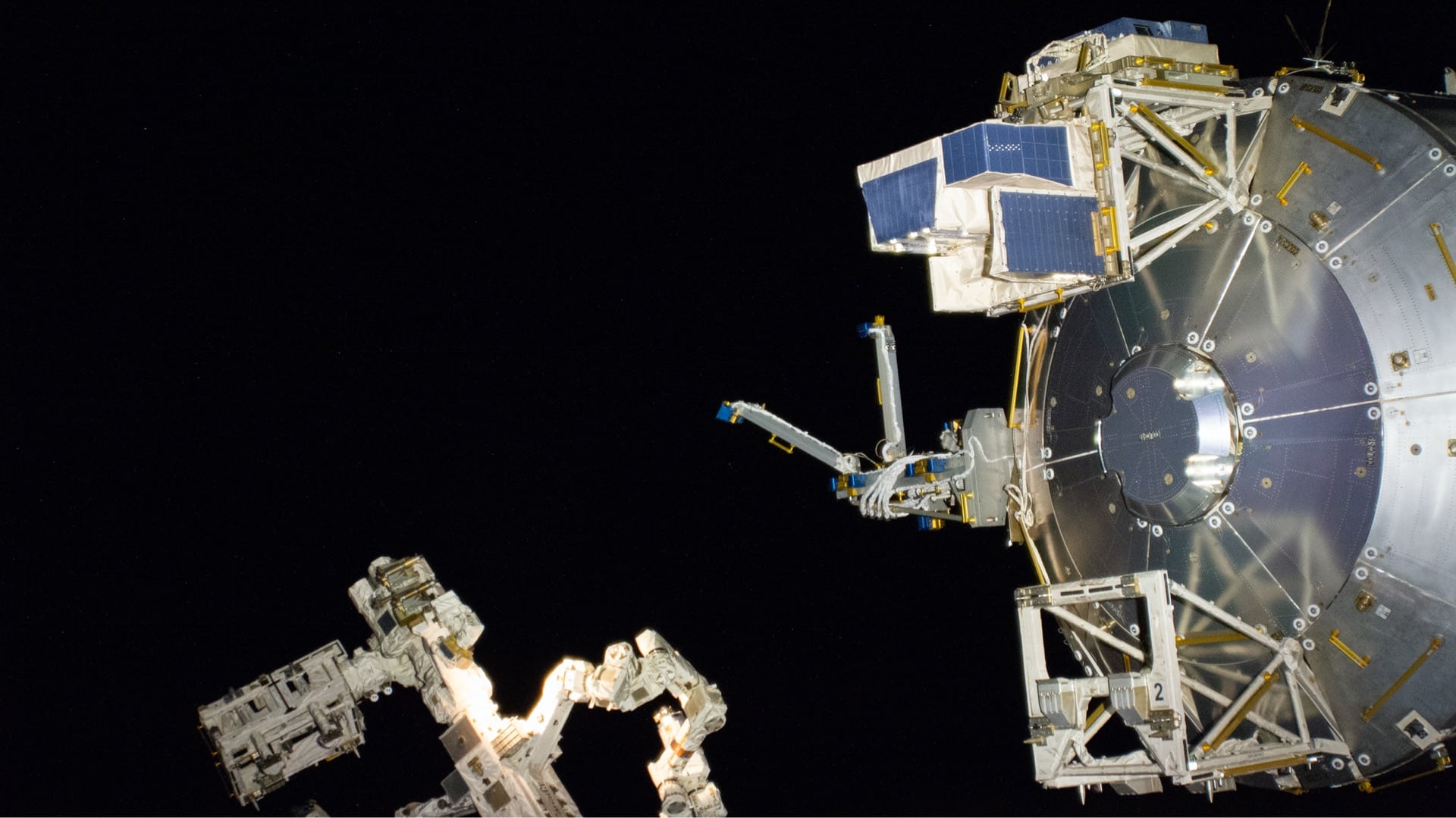
The “Kibo” module is Japan’s facility on the ISS, hosting up to four crew members conducting activities for Japanese and international organizations. Mitsubishi Corporation served as a commercial agent to procure some of the key components of JEM from overseas.
Global collaboration is at the soul of Starlab, and we know how to work together on orbit.
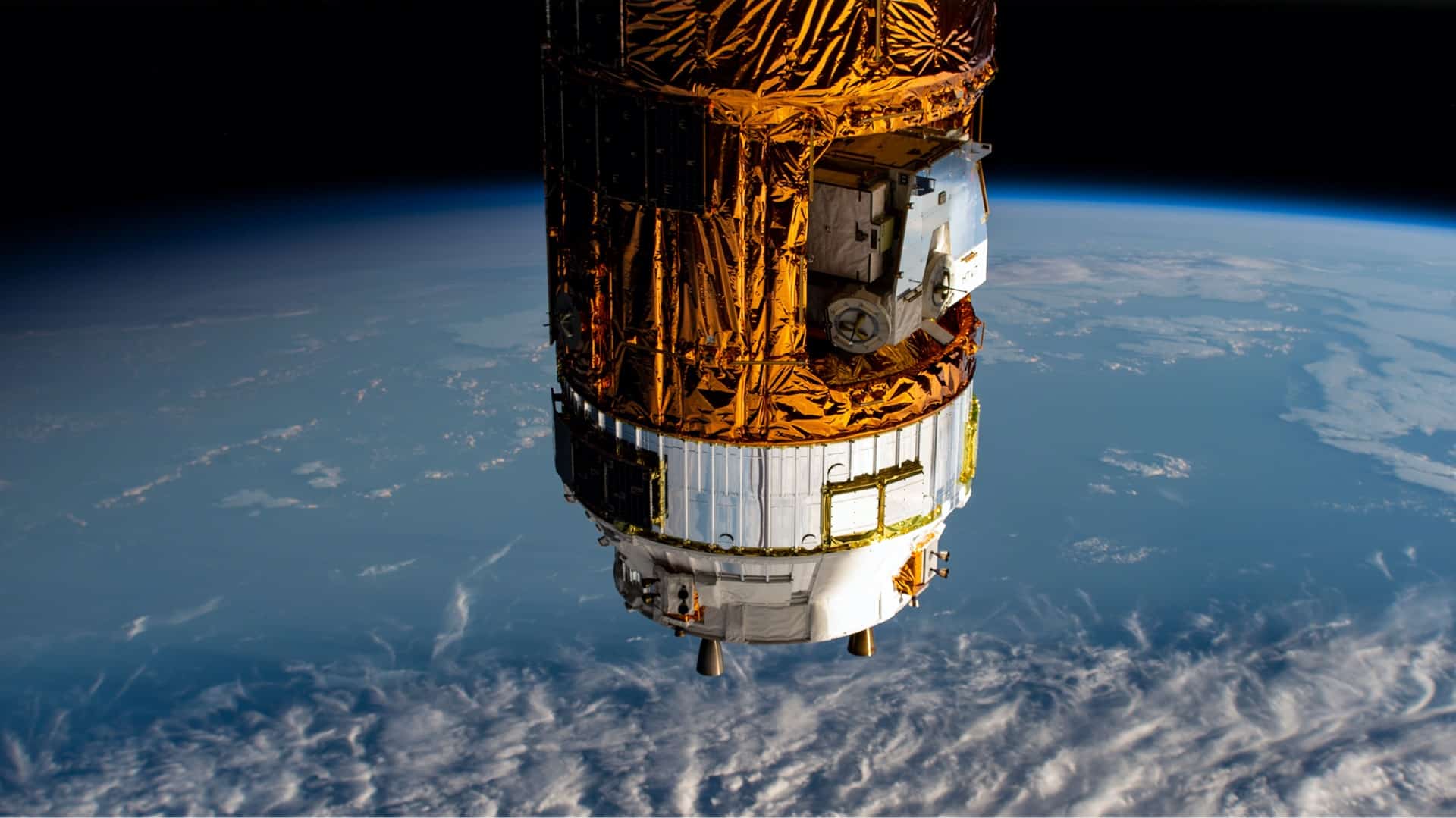
Mitsubishi Corporation facilitated the procurement of key components for Japan’s expendable, automated cargo vehicle that resupplies the ISS as a commercial agent. This overseas procurement included robot arm holding mechanisms, rendezvous sensors, communication equipment, navigation control systems, etc.
Starlab can support several cargo vehicles from US and international partners.
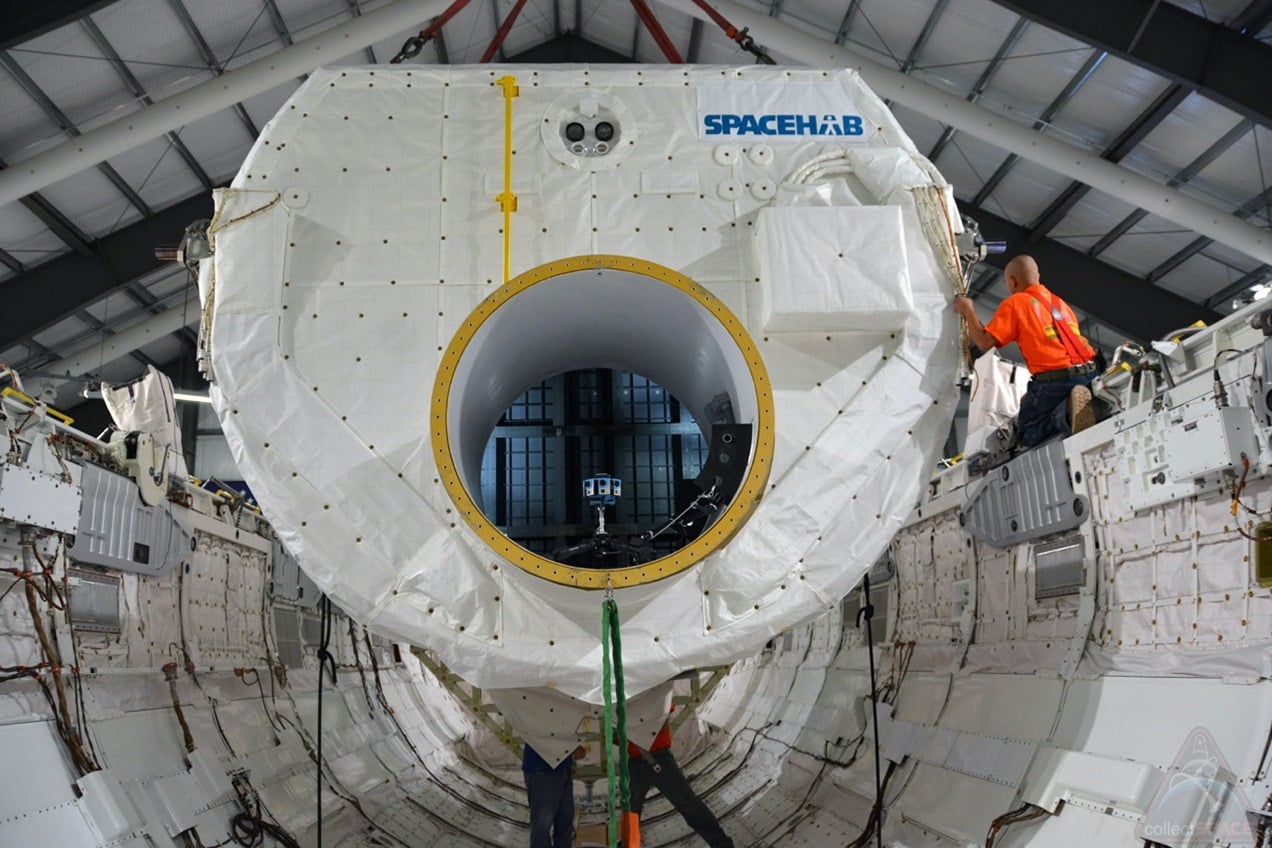
SPACEHAB was a commercial entity that provided microgravity experiment services using the SPACEHAB Laboratory module on board the Space Shuttle. Mitsubishi Corporation served as the SPACEHAB’s sole sales agent and arranged microgravity experiments from JAXA and private companies on Space Shuttle and ISS.
17-meter long robotic arm that helped assemble the ISS and today is used for performing station maintenance, moving supplies, equipment (including Bishop Airlock), and astronauts, and grappling visiting vehicles. We can’t wait for the next generation arm, MDA SKYMAKER™ to enable Starlab.
The most sophisticated space robot ever built, Dextre installs and replaces equipment on the ISS, replaces defective components, tests new tools and robotics techniques, and more. MDA Space’s expertise will bring the highest precision robotics maneuvers to Starlab.
The world’s first commercial space robotics mission operations center Everyday is training for Starlab.
Coming 2025.
Starlab’s digital twin will optimize resource allocation, mission planning, and overall system performance. This AI technology will also allow Starlab to identify potential issues and predict maintenance. This will help extend the lifespan of critical components.
Starlab will optimize on-board research by modeling the microgravity environment and completing pre-launch analyses using Palantir’s Ground Predictive Processing. Palantir’s technology will revolutionize Starlab’s operations and management, driving innovation and efficiency, reducing costs, and increase both physical and digital security on the space station.
Northrop Grumman is a leading innovator of logistics capabilities in space. The Cygnus spacecraft, innovative cargo loading processes and mission support are hallmarks of Northrop Grumman’s commitment to advancing human spaceflight and the commercial space economy.
Cygnus has supported cargo resupply services to the International Space Station since 2013, delivering critical equipment, science experiments, and supplies, removing waste from the station, and performing secondary missions, including reboosting the station’s orbit.
Yes, Hilton is a space-faring company! In 2019, in partnership with Voyager, Hilton became the first company to bake something from the raw in space – a DoubleTree cookie.
Hilton is proudly bringing the hospitality touch to Starlab, from crew quarters to launch and on-board experience.
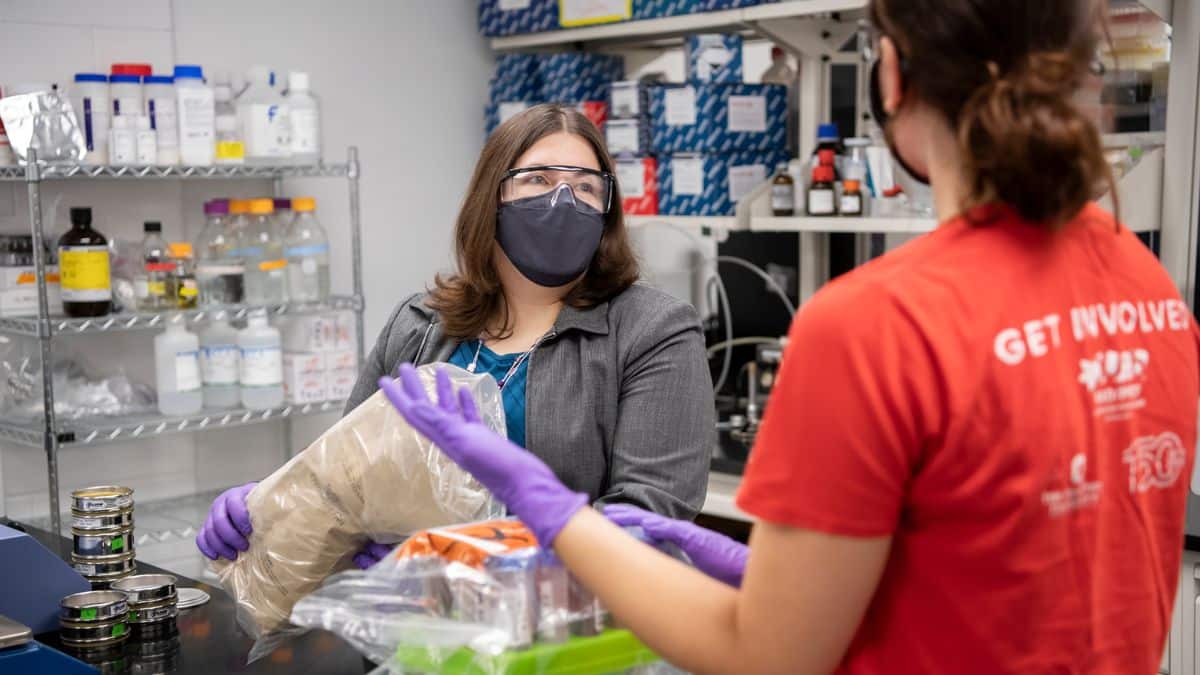
Astronauts have strict cleaning regimens. However, spacecrafts are confined spaces that can turn into breeding grounds for harmful mold, dust and bacteria – especially if humidity is not controlled.
Ohio State’s modeling techniques help predict what would happen in an unexpected circumstance on the International Space Station, such as a ventilation system failure, and what remediation steps would fix it. The team can determine when microbes start multiplying and growing – critical knowledge for planning the climate control in new vehicles such as Starlab.
Ohio State operates the Science, Performance and Critical Evaluation of Materials in Low Earth Orbit (SPACE-Mat) Center of Excellence that is working to predict and extend the useful life of spacecraft materials through physical and data-driven modeling, and to train a new generation of materials engineers.
OSU’s Center for Electron Microscopy and Analysis (CEMAS) collaborated with NASA’s Glenn Research Center to develop a new 3D printable alloy, GRX-810. This alloy is twice as strong, twice as resistant to oxidation, and over 1,000 times more durable at a 2,000 degrees Fahrenheit – ideal for aerospace parts manufacturing.
The Ohio State University is a leader in food, agricultural, and biological engineering – and is now working at the intersection of space exploration and agriculture.
Ohio State designed and built a food-production system for NASA’s Deep Space Habitat. The system is automated, controls irrigation, and monitors plant temperatures and health. The unit includes a weight plate that detects water leakage and water loss by plants, and also estimates growth.
Regenerative plant growth systems are critical as humans look at long term space exploration from low-Earth orbit to deep space – resources are limited and expensive – so growing food with systems that’s recycle resources and support healthy environments are crucial for supporting a healthy and productive living environment.
Journey brings world-first, multidimensional experiences to life – including Sphere, the architectural marvel in the heart of Las Vegas.
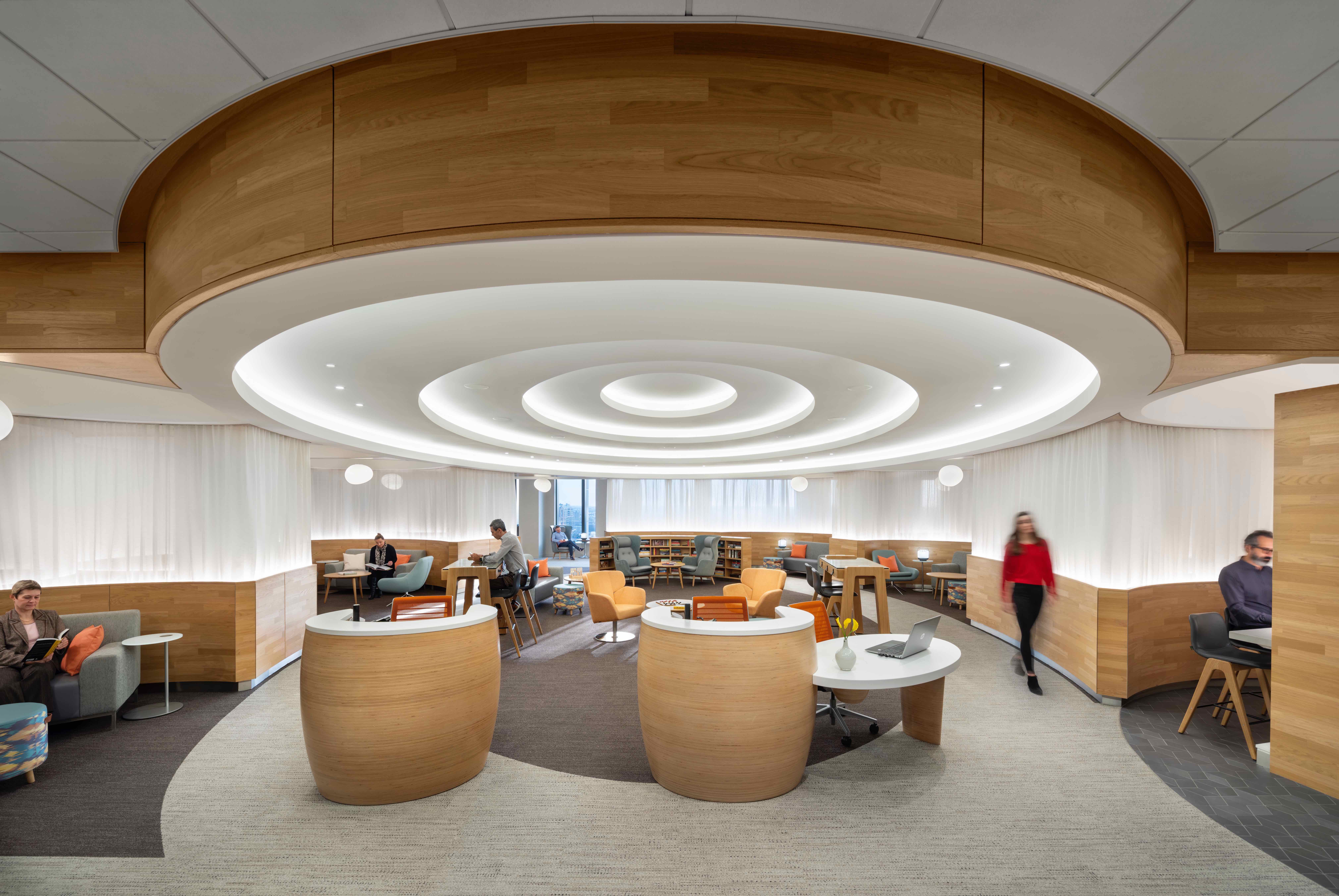
Journey designed Sphere’s interiors, lighting, and hospitality landscape, transforming over 300,000 square feet to match the epic scale of its iconic exteriors. As guests step inside, circular thresholds throughout the atrium evoke portals to new dimensions, while carefully choreographed soundscapes heighten the ethereal atmosphere. From concourses to expo spaces, VIP lounges, luxury viewing suites, and diverse food and beverage venues, every touchpoint was designed to deliver multisensory hospitality that lives up to the splendor surrounding it.
At the David H. Koch Center for Cancer Care at Memorial Sloan Kettering Cancer Center, Journey pioneered a human-centric approach where the environment itself became integral to patient care outcomes.
Journey’s design philosophy married patient-oriented spatial planning with anticipatory technologies to create a multidimensional healthcare sanctuary. Every decision centered on preserving dignity, autonomy, and comfort during treatment, including in the integration of real-time location system devices: Patients wear discreet monitors that allow them to move freely throughout the facility, untethered from clinical spaces, empowering them to utilize amenities, find moments of respite, and reclaim a sense of agency during their care journey.
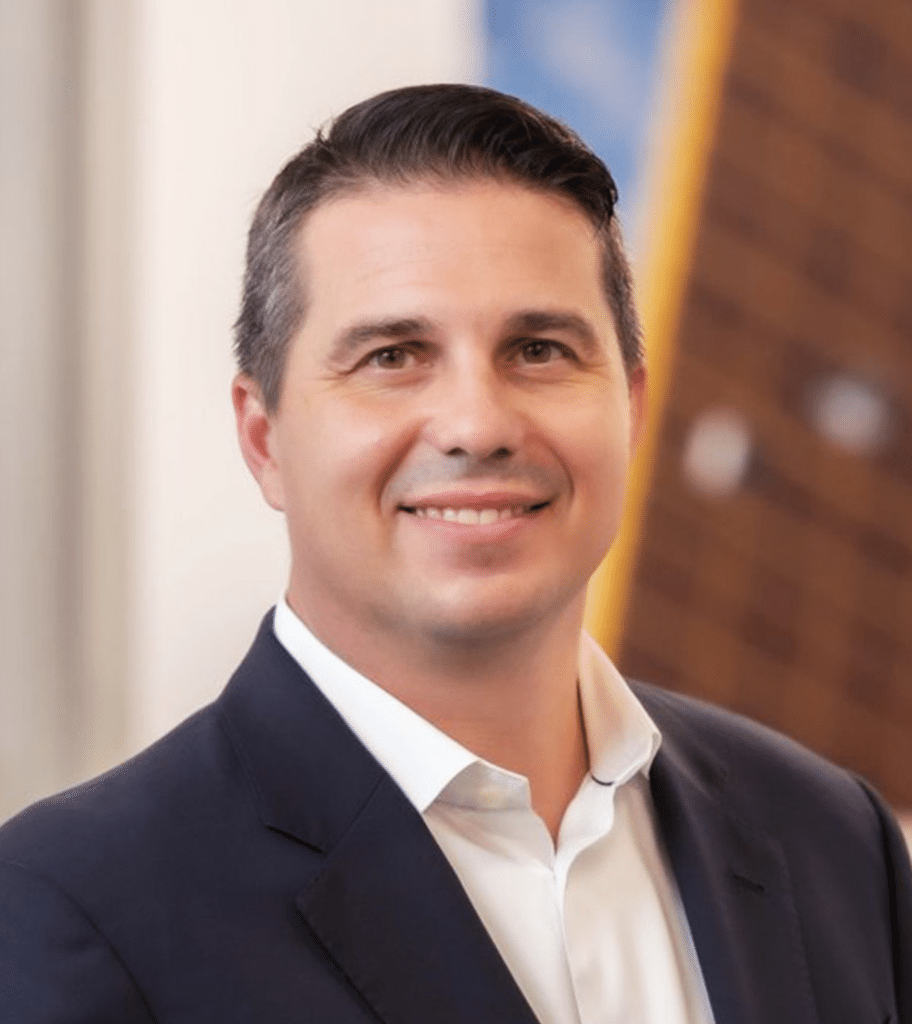
Marshall Smith is CEO of Starlab Space Stations. He is responsible for guiding Starlab’s vision, strategy, operations and sustainable success, representing its mission and interests to stakeholders worldwide. Smith brings a wealth of experience designing and building complex, human-rated space systems, as well as formulating deep space architectures, and developing human and robotic space systems and multi-billion dollar launch vehicles.
Smith was previously the president of Voyager Technologies’ Space Solutions business segment, where he led the strategic, operational and financial performance of the business segment, aligning company goals and stakeholder expectations. Smith previously served as chief technology officer at Voyager, leading technical strategy, as well as vice president of Exploration, supporting Nanoracks, which was acquired in 2021. There he oversaw commercial space station development, autonomous outpost platforms, support systems and airlocks.
Prior to joining Voyager in 2021, Smith served 37 years at NASA, where he concluded his career as the deputy associate administrator for Systems Engineering & Integration at NASA Headquarters. During his tenure, he held various leadership roles, including director for Human Lunar Exploration Programs and director for Cross-Program Systems Integration/Exploration Systems. Smith led several initiatives that integrated innovative commercial partnerships into NASA’s deep-space exploration programs, including the Human Landing System.
Smith is the recipient of the NASA Systems Engineering Excellence of the Year Award, the NASA Outstanding Leadership Medal and the NASA Exceptional Service Medal. He earned a bachelor’s degree in electrical and computer engineering from the University of Tennessee, Knoxville and master’s degrees in electrical engineering from Virginia Tech.
Bob Ess brings over 35 years of leadership experience across NASA and commercial aerospace to guide the development and execution of Starlab’s next-generation space initiatives. Ess has served as President of Venus Aerospace, where he led company-wide operations and oversaw engineering, flight testing, manufacturing, HR, and program management. Under his leadership, the company expanded rapidly and implemented high-impact processes to accelerate the development of advanced hypersonic vehicles. Prior to that, Ess held senior leadership roles at Blue Origin, including Senior Director for the New Glenn Programs Office, where he led major initiatives in program management, avionics reorganization, reusability strategies, and business modeling. He played a central role in securing a $500 million Launch Services Agreement with the U.S. Air Force and helped scale New Glenn’s workforce and technical capabilities significantly. Ess spent nearly three decades at NASA, culminating as the Manager of the Avionics & Software Office for the Orion spacecraft program. He managed a $450M+ annual budget and led more than 600 government and contractor personnel in developing the avionics and software that flew successfully on Orion’s EFT-1 mission. Earlier in his NASA career, Bob served as Program Manager for the Ares I-X flight test, one of the fastest and most cost-effective rocket development efforts in modern NASA history, later named Time Magazine’s Invention of the Year in 2009. Ess holds a B.S. in Aeronautical Engineering from Rensselaer Polytechnic Institute, an M.S. in Mechanical Engineering, and an MBA in Finance from the University of Houston. He is also a graduate of the U.S. Navy Test Pilot School and a licensed pilot.
Tom served as the 20th General Counsel of the Department of the Air Force. In that role, while leading 2,600 attorneys, he also led an interdisciplinary team to draft, advocate for, and then implement the legislation creating the Space Force. Upon the birth of the U.S. Space Force, he simultaneously became the first General Counsel for the U.S. Space Force.
Most recently, Tom was the Chief Legal Officer and General Counsel of Voyager Space. Prior to Voyager Space and his civilian service with the U.S. Air and Space Forces, Tom retired as an Army major general. He served multiple combat tours advising coalition and joint task force commanders in Iraq and Afghanistan, and he was awarded the Bronze Star with two oak leaf clusters. A graduate of West Point and the University of Pennsylvania School of Law, he also has extensive litigation experience, and has experience serving on Boards of Directors.
Brad Henderson is the Chief Commercial Officer at Starlab Space. In this role, Brad is responsible for overseeing the business strategy, market generation, and revenue management of all commercial aspects of Starlab Space across its international footprint. He is focused on company strategy, sales and marketing, customer engagement and relationships, business development, and market intelligence.
Prior to joining Starlab, Henderson served as the Vice President of Space Habitation at Sierra Space, where he led space station development efforts, identified commercial space station uses, collaborated with non-traditional space industries, and developed commercial facilities and systems. Additionally, he served as the Habitation product line manager for Sierra Space’s LIFE™ habitat. Henderson also spent nearly three years at Sierra Nevada Corporation where he was focused on its NASA portfolio and eventually helped develop the business approach for Sierra Space. NASA programs he supported include: NextSTEP-2 inflatable habitat program, Mars Transit Vehicle, Lunar Surface habitat, Orbital Outpost, Human Landing systems logistics vehicle, and other programs.
Brad has extensive leadership experience in the military. He served as a Systems Engineer Technical Advisor on behalf of the Air Force Tactical Exploitation of National Capabilities (AFTENCAP) and 20 years as a U.S. Special Forces Green Beret serving as a senior technical and communications Subject Matter Expert. His roles of responsibility in the Special Forces included team leadership, training, diplomatic and cultural relations, organization, and advising to foreign governments. Brad earned his bachelor’s degree in political science and government from the University of Northern Colorado and an MBA from Colorado Technical University.
At Starlab Space, Paul serves as the Chief Procurement Officer and is responsible for procurement, contracting, and supplier management. Additionally, Paul Schauer is the Executive Vice President for Integrated Operations at Voyager Space, responsible for aligning systems, processes, and people to the company’s strategic goals. Prior to Starlab, he spent over 25 years in the government contracting world, beginning as an Air Force Civilian contracting officer where he built and executed acquisition strategies for systems ranging from aircraft to spy satellites. His civil service career culminated as a GG-15 level executive responsible for the contracting team acquiring the nation’s imagery intelligence satellite systems.
Paul then joined a small government contractor and successfully scaled the business through two acquisitions, ultimately being acquired by CACI, a major national defense contractor. At CACI he held the positions of Vice President of Contracts for the National & Cyber Solutions Business Group and Vice President, Tactical Solutions Operating Group.
Paul is also co-creator and co-host of the Contracting Officer Podcast, where for over 8 years (and over 1.2 million listens) he has used his background to help professionals from both government and industry understand a little more about how the other side thinks.
Marshall Smith is CEO of Starlab Space Stations. He is responsible for guiding Starlab’s vision, strategy, operations and sustainable success, representing its mission and interests to stakeholders worldwide. Smith brings a wealth of experience designing and building complex, human-rated space systems, as well as formulating deep space architectures, and developing human and robotic space systems and multi-billion dollar launch vehicles.
Smith was previously the president of Voyager Technologies’ Space Solutions business segment, where he led the strategic, operational and financial performance of the business segment, aligning company goals and stakeholder expectations. Smith previously served as chief technology officer at Voyager, leading technical strategy, as well as vice president of Exploration, supporting Nanoracks, which was acquired in 2021. There he oversaw commercial space station development, autonomous outpost platforms, support systems and airlocks.
Prior to joining Voyager in 2021, Smith served 37 years at NASA, where he concluded his career as the deputy associate administrator for Systems Engineering & Integration at NASA Headquarters. During his tenure, he held various leadership roles, including director for Human Lunar Exploration Programs and director for Cross-Program Systems Integration/Exploration Systems. Smith led several initiatives that integrated innovative commercial partnerships into NASA’s deep-space exploration programs, including the Human Landing System.
Smith is the recipient of the NASA Systems Engineering Excellence of the Year Award, the NASA Outstanding Leadership Medal and the NASA Exceptional Service Medal. He earned a bachelor’s degree in electrical and computer engineering from the University of Tennessee, Knoxville and master’s degrees in electrical engineering from Virginia Tech.
Jim Bridenstine was confirmed by the U.S. Senate as the 13th Administrator of the National Aeronautics and Space Administration on April 23, 2018. As administrator, he led NASA in advancing American aeronautic, science, and space exploration objectives.
Under Bridenstine’s leadership, NASA launched its new human lunar exploration mission, the Artemis program. As announced in March 2019, the Artemis program will land the first woman and the next man on the surface of the Moon by 2024, the first human landing since the end of NASA’s Apollo missions in 1972. Through the Artemis program, NASA is developing the Orion crew capsule and the Space Launch System, the most powerful rocket ever built. These state-of-the-art systems will help build the Gateway, a lunar orbiting space station that will give American astronauts more access to the surface of the Moon than ever before. All lunar exploration efforts under Artemis are designed to prove our technology and perfect our capabilities to live and work on a different world in preparation for a future crewed mission to Mars.
Bridenstine has managed the continued commercial resupply of the International Space Station and has led agency efforts to partner with American businesses on the Commercial Crew Program. This program seeks to once again launch American astronauts on American rockets from American soil, something not done since the end of the Shuttle program in 2011. Additionally, Bridenstine established the Commercial Lunar Payload Services Program to partner with private enterprise in landing rovers on the lunar surface. These rovers will contain tools and science experiments in preparation for the arrival of American astronauts.
During Bridenstine’s tenure, the agency has reinforced aeronautic development of the X-59, a quiet supersonic aircraft, and the X-57, the agency’s first all-electric airplane. He has also backed NASA’s aeronautical innovators to develop the Unmanned Aircraft Systems Traffic Management to facilitate the safe use of drones for commercial enterprise and in everyday life. The agency’s dynamic science portfolio under Bridenstine includes a life-seeking Mars rover scheduled to launch in July 2020, enhancing the nation’s fleet of Earth-observing satellites and final preparations of the James Webb Space Telescope.
Prior to serving at NASA, Bridenstine was elected in 2012 to represent Oklahoma’s First Congressional District in the U.S. House of Representatives, where he served on the Armed Services Committee and the Science, Space and Technology Committee.
Bridenstine’s career in federal service began in 1998 as a pilot in the U.S. Navy, flying the E-2C Hawkeye off the USS Abraham Lincoln aircraft carrier. It was there that he flew combat missions in Iraq and Afghanistan and accrued most of his 1,900 flight hours and 333 arrested landings on an aircraft carrier. He later moved to the F-18 Hornet and flew at the Naval Strike and Air Warfare Center, the parent command to TOPGUN.
After transitioning from active duty to the U.S. Navy Reserve, Bridenstine returned to Tulsa, Oklahoma, to be the executive director of the Tulsa Air and Space Museum & Planetarium.
Bridenstine completed a triple major at Rice University and earned his MBA at Cornell University. He and his wife, Michelle, have three children.
Phil De Sousa joined Voyager in October 2022 as Chief Financial Officer. He is responsible for Voyager’s global financial management and accounting organization. As Voyager accelerates toward its strategic ambitions and growth goals, Mr. De Sousa will be critical in leading the company’s financing, investor relations, M&A and business development transactions.
As a seasoned financial executive and leader, Mr. De Sousa has led large finance organizations and brings more than 20 years capital markets experience. He is skilled at identifying performance challenges and formulating financial measurements and infrastructure to provide critical insights on profitability and cash flow to stakeholders.
He previously served as Chief Financial Officer at Transamerican Auto Parts, a business unit within Polaris Inc. (“Polaris”), a Fortune 500 company. Mr. De Sousa led all aspects of financial reporting, budgeting, strategic investment, capital management, and financial performance in Polaris’ largest finance and accounting organization. This included $3B+ for operations finance in manufacturing, logistics, supply chain, and engineering activities.
Prior to joining Polaris, Mr. De Sousa spent six years as Vice President, Director of Investor Relations at Xylem Inc, a $5B industry leading water technology manufacturer, leading it’s spin-off from ITT Corporation (“ITT”) and building a global investor relations program from inception.
Prior to Xylem’s spin-off from ITT, Mr. De Sousa served as the Manager, Financial Reporting, Planning & Analysis, managing combined segment revenues of $5 billion. He oversaw corporate and regulatory financial reporting for the $11 billion global high technology, engineering and industrial manufacturing company, serving as an integral contributor to the three-way spin-off of Xylem Inc., Exelis and remainco ITT Corp. He also worked for Arthur Andersen LLP and is a New York State licensed CPA.
Mr. De Sousa holds a Master of Business Administration and a Bachelor of Business Administration both from Iona College in New Rochelle, New York.
Debra Facktor leads the Airbus U.S. Space Systems line of business, with a focus on small satellites produced for commercial and government customers at the company’s manufacturing facility in Merritt Island, Florida, and on space exploration activities in the U.S. Facktor also served on the board of the Airbus OneWeb Satellites joint venture prior to its recent acquisition by Airbus U.S.
Before joining Airbus U.S., Facktor was Vice President and General Manager of Strategic Operations for Ball Aerospace, leading the company’s Washington DC operations, strategic development, and marketing and communications.
Facktor received her bachelor’s and master’s degrees in aerospace engineering from the University of Michigan and is an alumna of the International Space University summer session program in Strasbourg, France.
Mohamed Denden is Chief Financial Officer for Airbus U.S. Space & Defense, Inc. Denden has been with Airbus for 15 years working in the United States and France and possesses an extensive background in the Aerospace and Defense industry, including leadership roles in Corporate Finance, M&A, Investor Relations, and Supply Chain.
Before joining Airbus, Denden worked at Lockheed Martin, DRS Technologies, and Deloitte. He is a CPA and holds an MBA from the University of Central Florida, and is fluent in several languages.
Dr. Marc Steckling is the Head of Earth Observation, Science and Exploration at Airbus Defence and Space and leads Airbus Space Systems in Germany. Prior to this he was CEO and Chairman of the Board of Tesat-Spacecom GmbH & Co. KG, a subsidiary of Airbus. Steckling worked for the German Aerospace Center (DLR) before he joined Airbus Defence and Space in 1999. He held management positions including Head of Electronic Products Germany and Head of Lean Management. He holds a degree in Aerospace Engineering and a PhD from the University of Berlin.
Issei Shinohara is Vice President & General Manager, Aerospace Department at Mitsubishi Corporation. He has broad international business experience, especially in emerging markets such as Asia, Middle East, and Africa. He has been engaged for sales, marketing, and new business development globally for Mitsubishi for more than 15 years.
Help Shape
Humanity’s
Next Destination
Join Us
95°07’13″W
in Touch